
Attorney General for England and Wales, Ellie Reeves, who presented the UK’s legal arguments in Hamburg earlier this month, told the BBC the ruling was “really significant” and an “a clear win for the UK government”.
Earlier, in a joint statement with Foreign Secretary Ed Miliband, Reeves urged Argentina to “end its wider economic pressure” against the territory: “Argentina sought to stop the Falkland Islanders making their own sovereign decisions and failed in this attempt.”
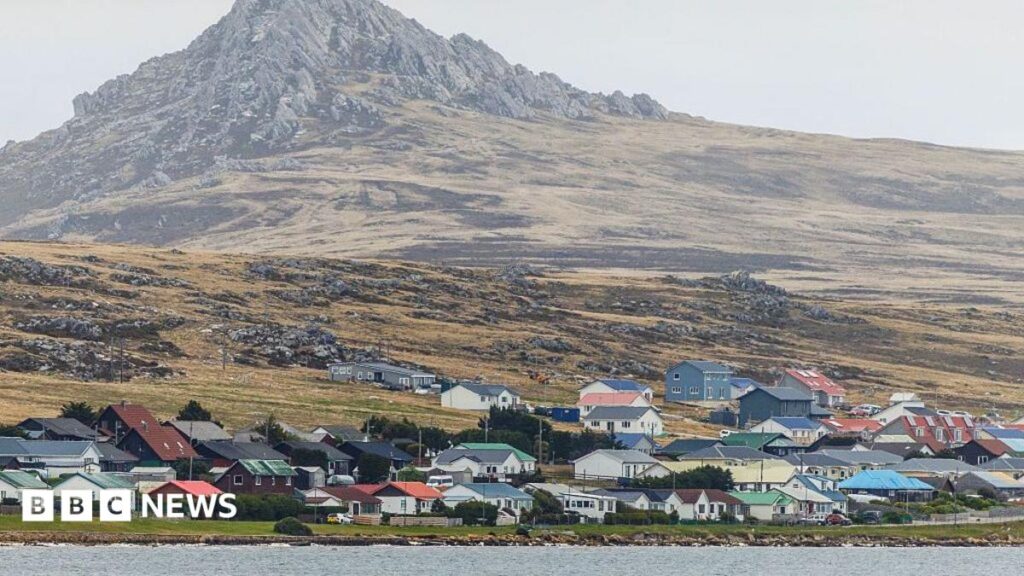
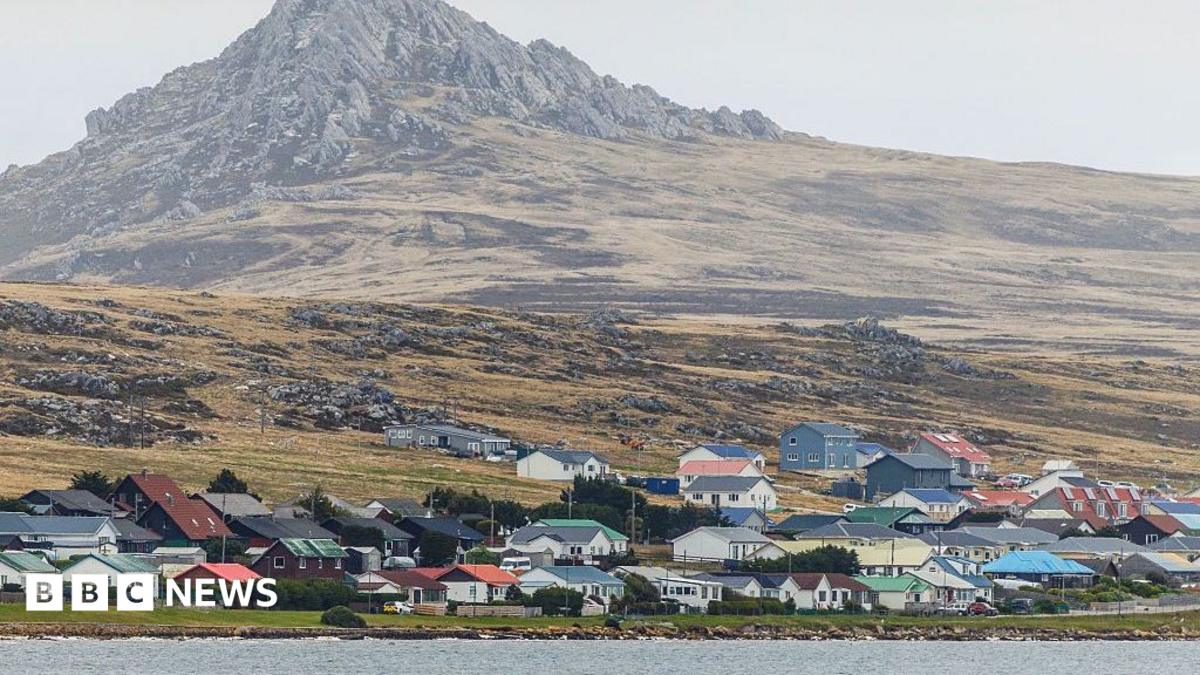
The case is the latest diplomatic row between the UK and Argentina, which fought a 74-day war over the islands in 1982.
The Sea Lion oilfield, around 130 miles (209 km) from the Falkland Islands, contains an estimated 1.7 billion barrels of oil.
Two oil companies – Britain’s Rockhopper Exploration and Israel’s Navitas Petroleum – are due to begin extracting from the oilfield within two years, potentially generating huge revenues for the roughly 3,500 inhabitants of the islands.
But the Argentinian government claimed the marine environment of disputed maritime areas is protected by international law, arguing that while it believed there was a territorial dispute over the Falklands, nothing should be done that could change the situation – including the building of oil wells.
The UK responded that the Law of the Sea court had no jurisdiction over the issue, and that pausing the Sea Lion project could have huge economic consequences on the islands’ local population and companies connected with the venture.
The tribunal’s decision ultimately rested on its own powers – this was a territorial issue, and a maritime court was not the right place to hear the dispute.
Buenos Aires disagreed, writing in a statement after the decision that “Argentina did not ask the court to rule on sovereignty”, but to apply the United Nations’ sea laws to the UK over its “exploitation of our resources”.
It also said that five individuals would face sanctions for their involvement in the oil drilling venture, something Milei had been threatening. The statement did not specify who the sanctions would be against.
“The message is clear: those who participate in the illegal exploitation of our resources will face the consequences,” the statement said.